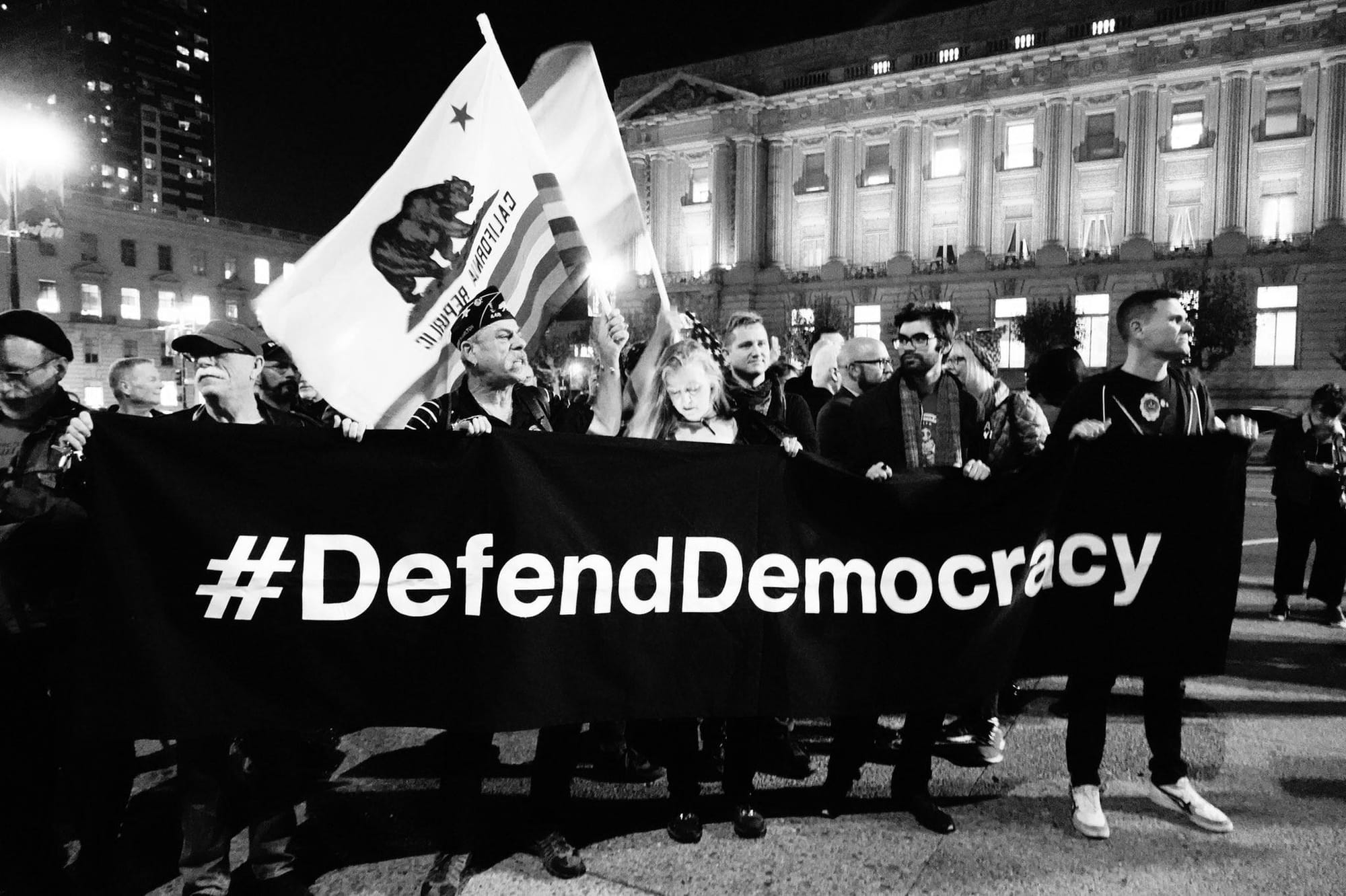
Remember: NO KINGS is Saturday. Also some notes on my new book
Find your #nokings march here. And while marches, protests, and demonstrations don't do the work of protecting democracy and human rights all by themselves, they're an important part of it, and very often an inspiriting one.
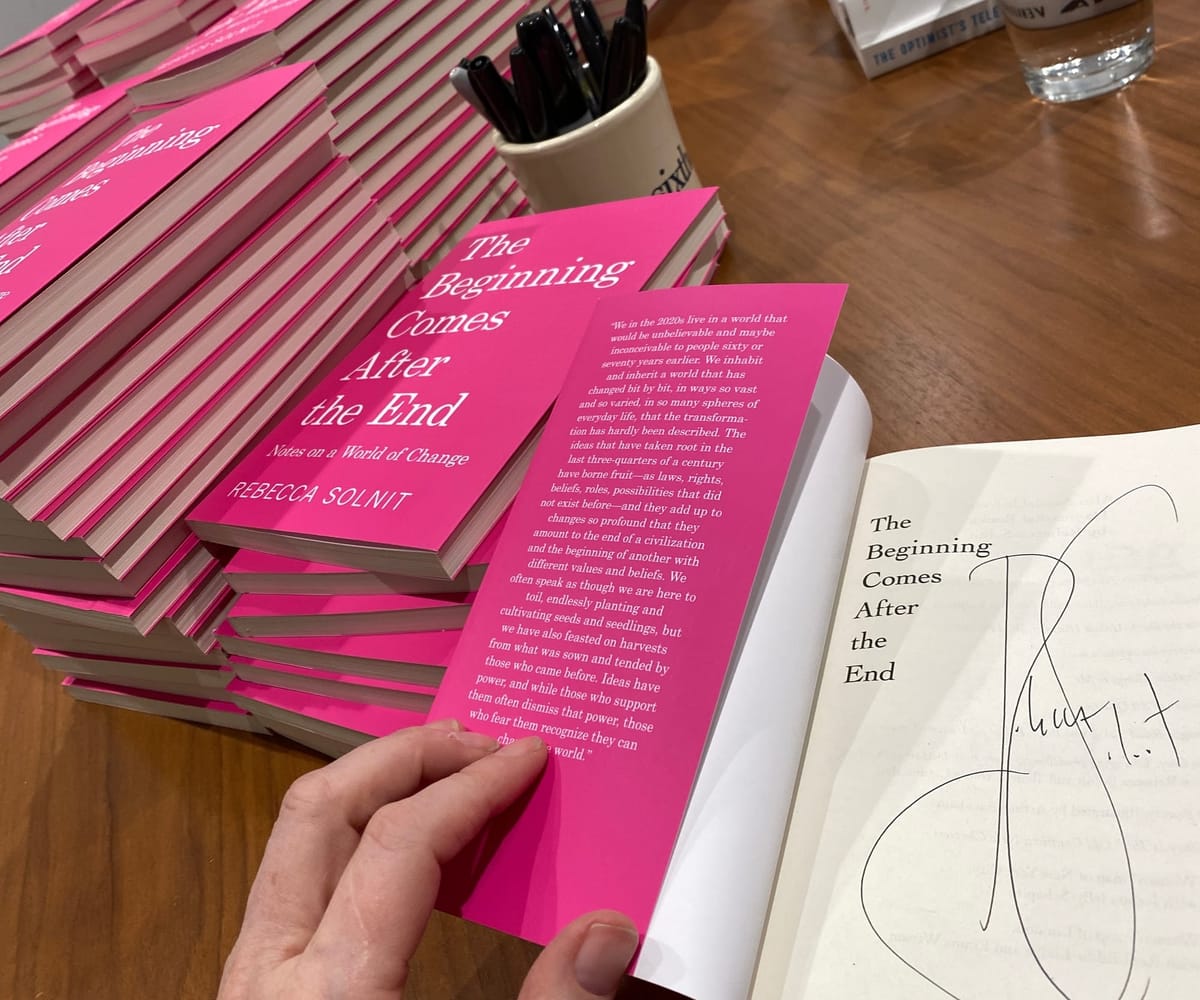
[What follows is a thread of various media with and about me and my new book (strictly optional reading, but also audio and video options for those who like to take in their information and ideas that way) and a discount code at the end in case you want to order The Beginning Comes After the End yourself from the publisher; there's also an audio version I read myself.]
I might have mentioned I wrote a book and it got published and now I'm rushing about doing events and interviews and things, including, Tuesday night, a conversation with one of the writers I most admire: Anand Giridharadas, who's a brilliant political thinker, often scathing about the present but sometimes visionary about the possibilities, which is why he contributed one of the epigraphs to the new book: “We are living through a revolt against the future. The future will prevail.”
He posted that Brooklyn Public Library conversation at his (highly recommended) newsletter The Ink Wednesday morning.
 Anand Giridharadas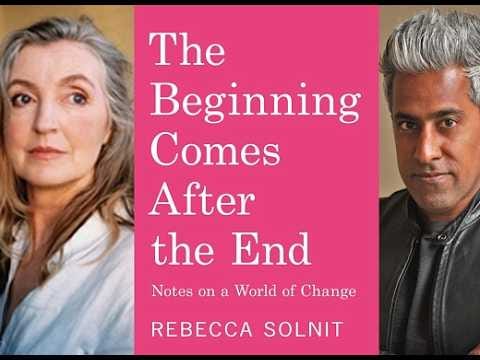
The Guardian conducted an interview with me last month that also dropped Wednesday:
 Zoe Williams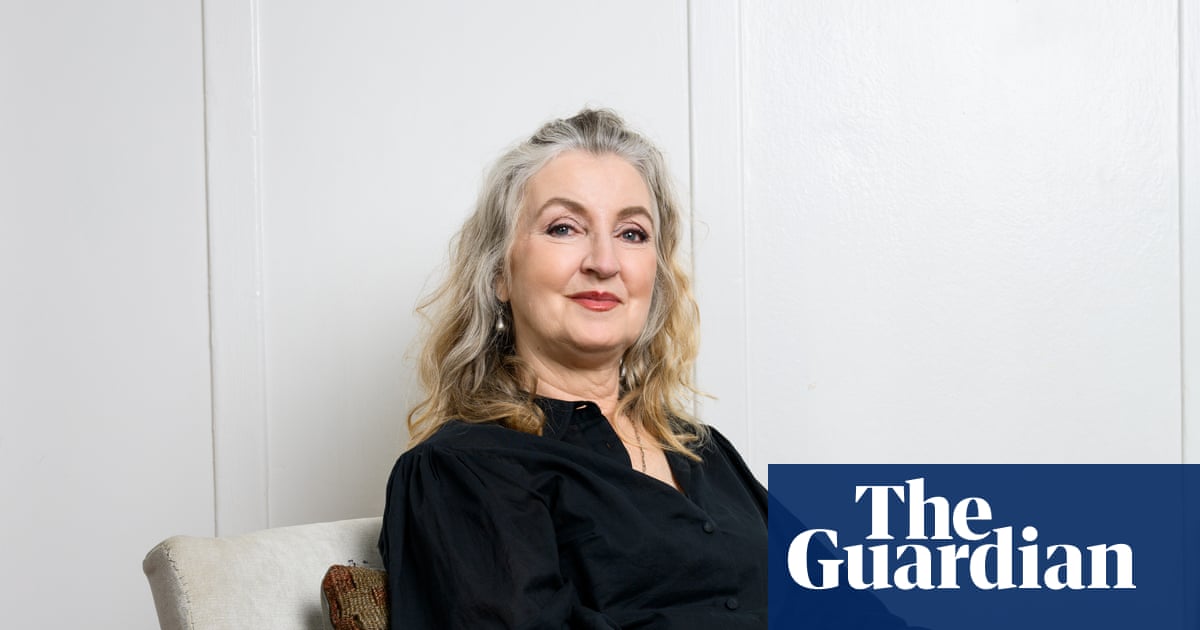
And there was this big New York Times thing in print, video, podcast, and glam photos. I was pleased that the thing that seemed to resonate most with people was this: "One of the great weaknesses of our era is that we get lone superhero movies that suggest that our big problems are solved by muscly guys in spandex, when actually the world mostly gets changed through collective effort. Thich Nhat Hanh said before he died a few years ago that the next Buddha will be the Sangha. The Sangha, in Buddhist terminology, is the community of practitioners. It’s this idea that we don’t have to look for an individual, for a savior, for an Übermensch. I think the counter to Trump always has been and always will be civil society. A lot of the left wants social change to look like the French Revolution or Che Guevara. Maybe changing the world is more like caregiving than it is like war." I have more to say about that when I have a moment.
Which led to this essay about me as a theologian:
 Liz Bucar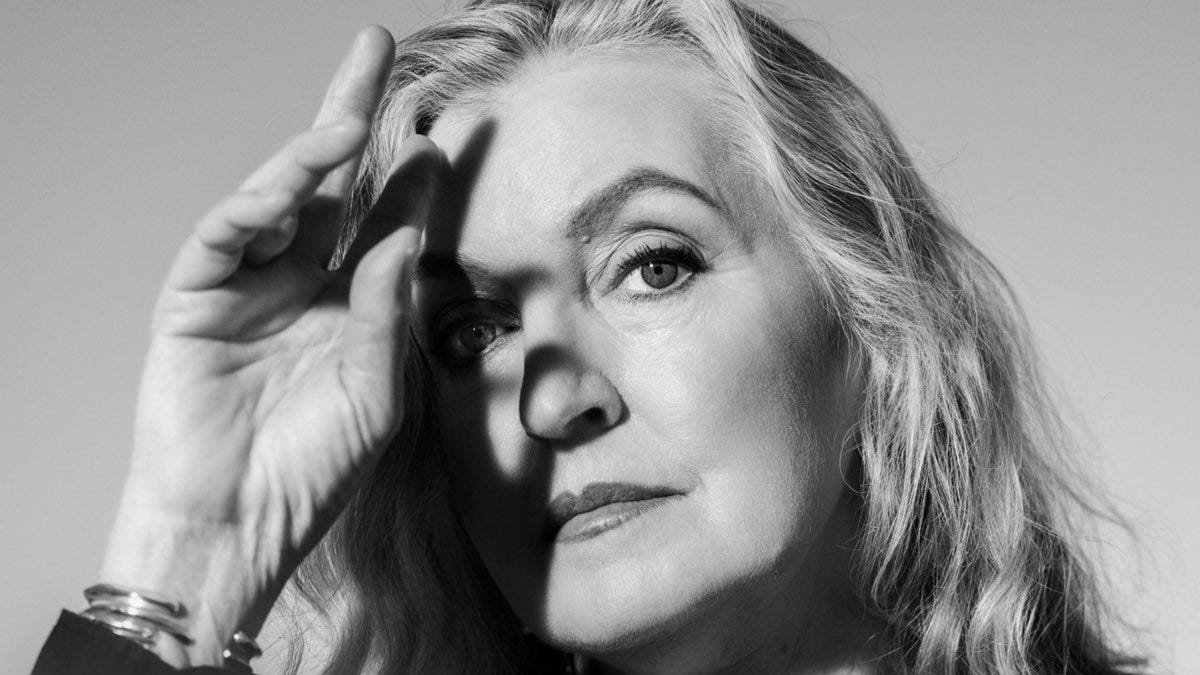
Speaking of theology, I then went to San Francisco's progressive Grace Cathedral and had a conversation with this lovely guy who's the dean:
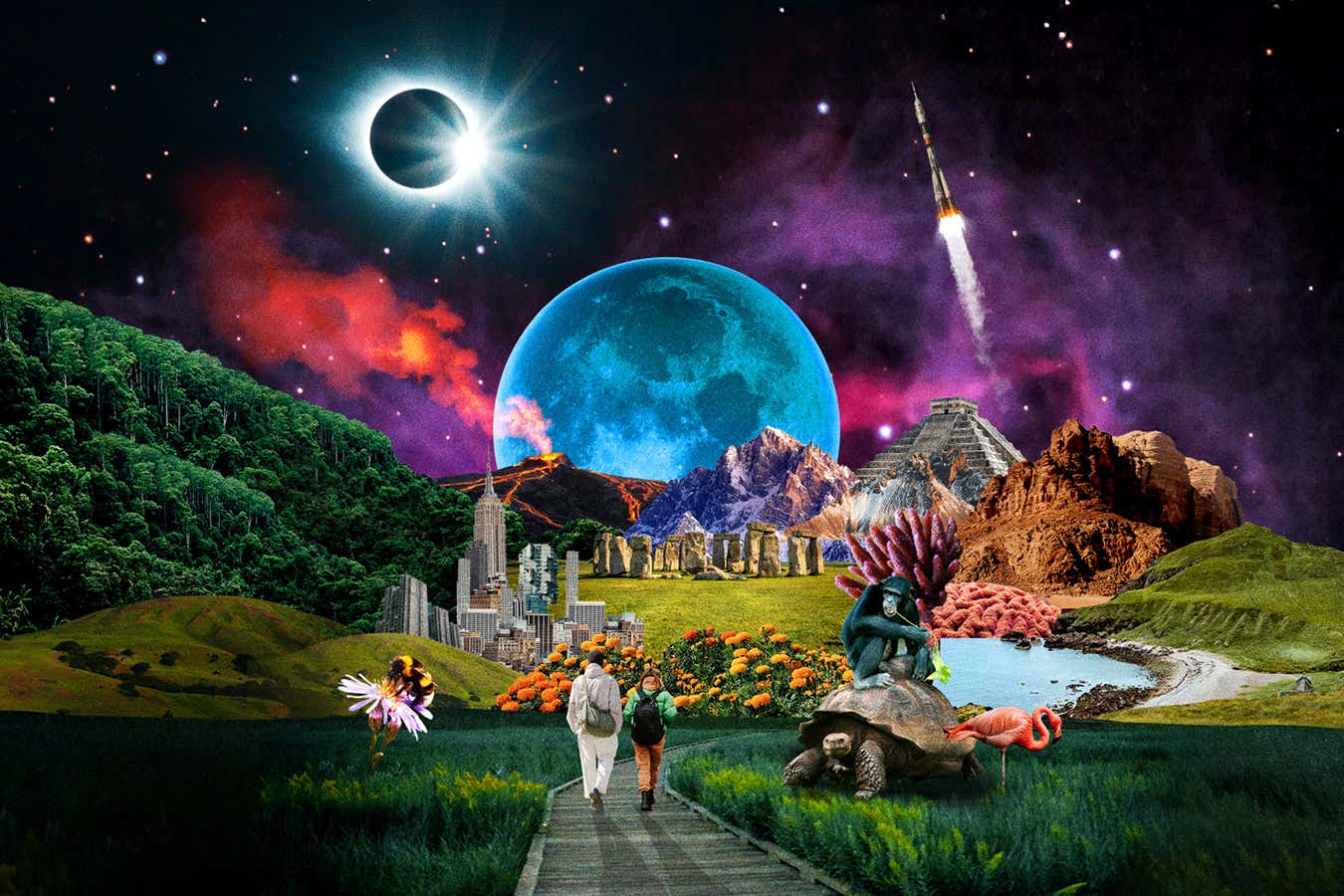
Earlier, I had a conversation with Rowan Hooper, a young British scientist who zoomed in on the parts of the book focusing on new ideas in biology and their implications, and it turned out that Rowan has a fantastic new book coming out in August called Togetherness about symbiosis and collaboration in nature, which I'm reading (in advance) with enthusiasm.

There's a Youtube version here:
https://www.youtube.com/watch?v=PuyaGP3bAz0
And one more podcast, a conversation with Anne Strainchamps, formerly of the beloved NPR show To the Best of Our Knowledge:
 Anne Strainchamps
I did manage to write something for someone other than you, dear subscribers....
It begins: Feminism is far from dead, but people love to write its obituary. I’ve lived through dozens of them over the decades, and there’s been a fresh flurry over the past few years. These death announcements are mostly based on two dubious assumptions. One is that we’re at the end of the story, the point at which a verdict can be rendered and a moral extracted. In this version, 60 years on from the great 1960s surge of feminism, the process should be over, and if feminism has not won, surely it has lost. In reality, it’s naively defeatist to assume millennia of patriarchy entrenched in law, culture, social arrangements and economics could be or should have been fully disassembled in one lifetime.
and then it goes on to look at reproductive rights, #metoo, and the Epstein implosions. It was particularly satisfying to note: The eager obituary writers tended to announce that #MeToo had failed whenever further incidents of high-profile sexual abuse were reported (though the very fact they were reported and in some cases successfully prosecuted may have been a result of these shifts). The single most important impact of #MeToo, I believe, is akin to what many environmental victories look like: nothing, in the absolute best sense of that word. Success for many environmental campaigns is the river that was not dammed or polluted, the forest that was not cut down, the species that did not go extinct, the oil wells that were not dug, the coal that was not burned. Unfortunately, these results are invisible if you don’t know why the river is flowing freely, the birds are singing or the meadow near your home wasn’t paved over.
 Rebecca Solnit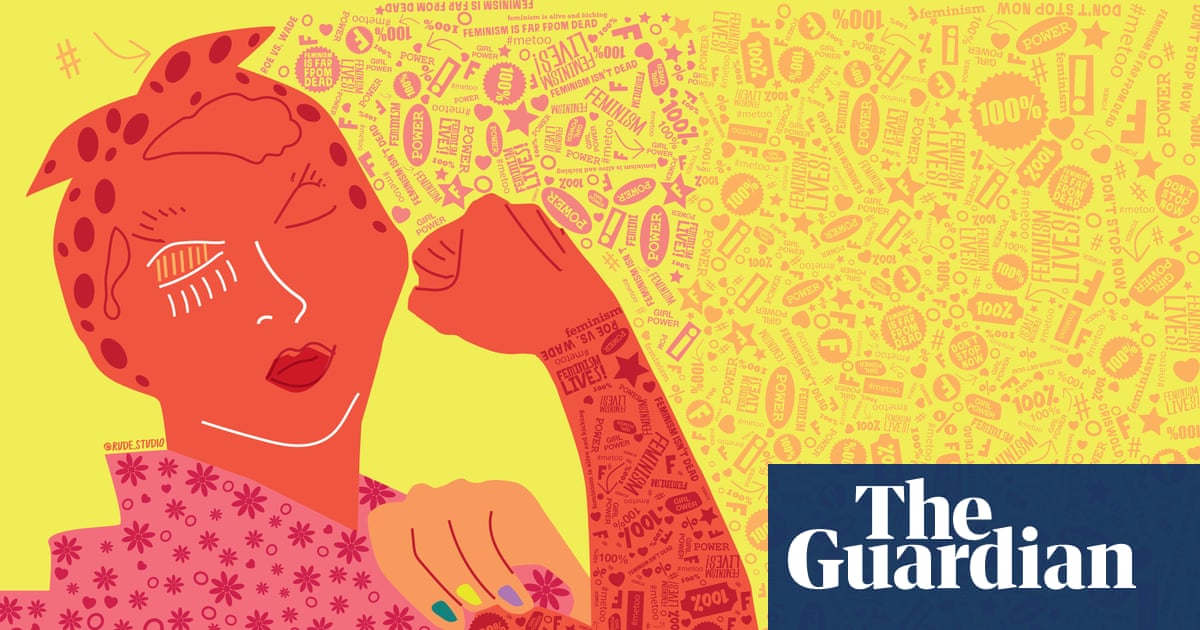
The Beginning Comes After the End can be ordered from the publisher at a 30% discount at this link:
https://www.haymarketbooks.org/books/2617-the-beginning-comes-after-the-end?discount_code=BEGINNING
And I cannot tell you how excited I will be to settle down and just be a writer again, not an opinion-slinger in person and podcast all over creation.