The Right Word is Wrongness
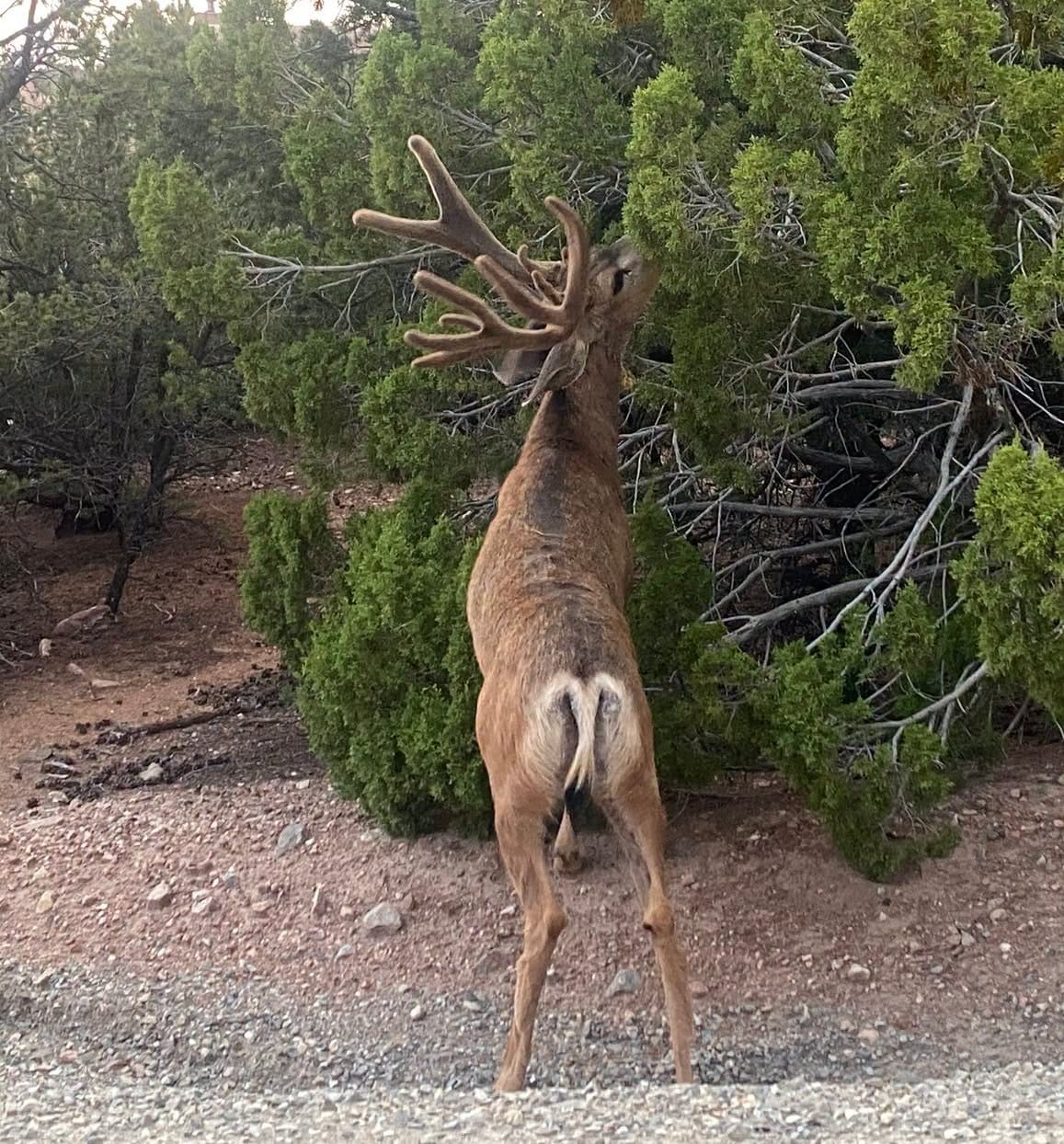
I've been in northern New Mexico for more than two weeks, in what is normally the monsoon season, but there has been no rain beyond a brief, quickly evaporated spatter of drops three times so far. The plants are parched, and the usual green regeneration of monsoon season I was looking forward to has not happened. The animals seem thirsty too, and we think the deer that come down among the houses are hungry and thirsty. I saw one try some juniper, which does not seem like its usual food, and because of this desperation, I've seen deer closer than almost ever before, and seen that they are missing patches of fur and look beat up in contrast to the elegance I admire from afar.
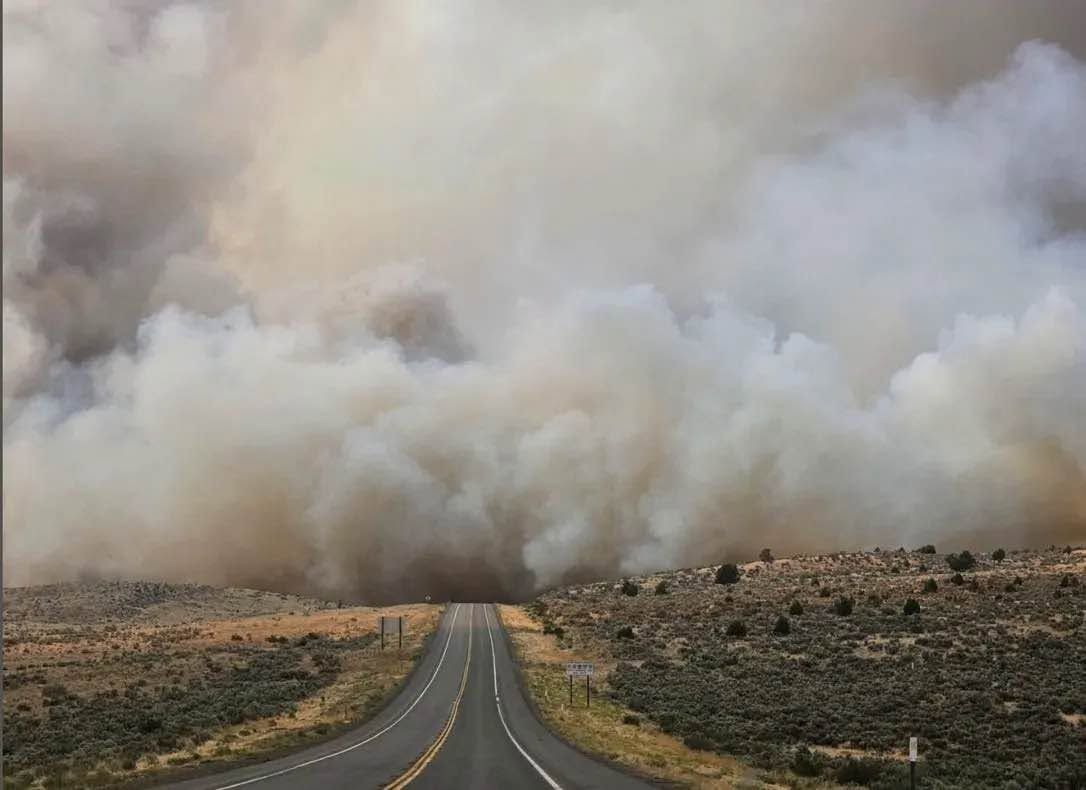
Too, there is a fire burning not far away, the Frijoles Fire, started by a lightning strike on August 5th, and steadily growing since to reach more than 12,000 acres to date. That's not big by modern wildfire standards, but it's impactful locally. When the wind sends it our way, the smoke has been intense, and often I can smell the campfire scent of burning trees before I check the AQI (air quality index). On Tuesday, August 11th, the early morning AQI reached horrific levels, the 400s and one reading over 500, and the morning light was somehow dingy, dirty, the light I saw so much of during north/central California's huge fires in 2017, 2018, 2019, and 2020. The little house I'm in, like so many houses in so many places, doesn't have air conditioning because it didn't used to need it, but when because of smoke I could no longer open the windows, the stuffiness and heat became miserable because it's also hotter here than it used to be. The sense of dread and sorrow over what was happening outside and the sense of confinement to an uncomfortable inside weighed me down.
I've spent part of most summers in the Santa Fe area since 1989, housesitting for the writer Lucy Lippard out on the Galisteo prairie for long stretches in the 1990s and early 2000s, and otherwise finding places to land again and again. The monsoon rains were once a great joy of mine, a sky opera of thunder, lightning, wind, rain, and renewal. They would be now if the beautiful cumulus clouds that rise from the mountains and gather and sometimes darken into that beautiful blue-gray of storm clouds would drop their waters as they once did, like a blessing, a gift, a redemption on the dry land. Because I remember what summer used to be like here – cooler, wetter, with rain coming more reliably — I know it has changed.
That day of terrible smoke came a little over a week after I wrote an elegy for summer as we knew it for the Guardian: "Far beyond the fires raging across Europe and North America, the smoke, dangerous to breathe, hangs in the air, dimming the view, changing the very color of sunlight into something grimly unsettling.... Summer was the sweet season celebrated in poetry and song, often pictured as a gentle goddess; now it is too often a threat and a misery. All this makes me think of Bill McKibben’s 2011 book Eaarth, a proposal that we can understand climate change as equivalent to moving to a more perilous, unwelcoming planet than the gentle, stable one we evolved over the 12,000 years since the last ice age.... We often talk about what climate change has wrecked in terms of what’s material, tangible, structures lost to fire, flood, or sea level rise, trees dying, species threatened, glaciers melting in warmer weather. But summer was an immaterial treasure and joy that belonged to all of us."
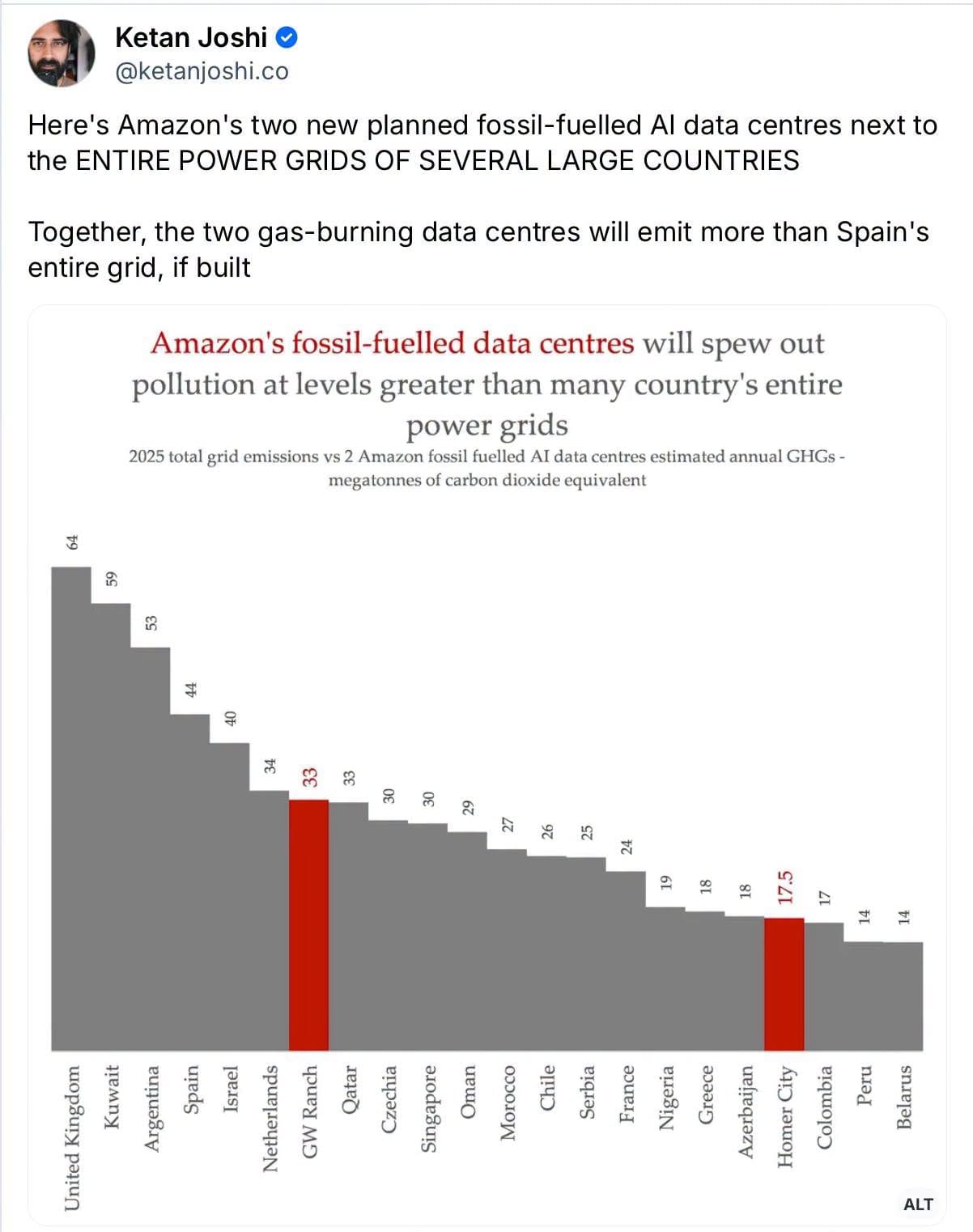
We scheduled school around the long summer break here in the USA. It was originally, I think I've read, for farm labor, but the schedule was kept long after most of us were farmers because summertime became when kids ran free, families went on vacation, everyone who could flocked to the outdoors to picnic, camp, swim, wander, spend time in what was often thought of as the best time of the year. Now it's a time to dread and fear as smoke, fire, and extreme heat limit the possibilities. A time to shelter in place if smoke is bad or evacuate if fire chases you away from your home. It is strange that there is so little outcry to address the climate crisis as massive fires rampage across Europe and North America, so little question about the decisions to make the crisis worse by the tech organizations intent on building massive AI data farms whose climate footprint will be akin to those of whole nations. But at least almost everyone hates data centers, and people across the country and beyond are fighting them.
There's a Sanskrit/Pali word that's at the very heart of the Buddha's teachings – duhkha – often translated as meaning suffering, but it's broader and more interesting than that. It comes up in the first of the Four Noble Truths, "life is [duhka]." One etymology, though contested, has been valuable to me. It reads, "The ancient Aryans who brought the Sanskrit language to India were a nomadic, horse- and cattle-breeding people who travelled in horse- or ox-drawn vehicles. Su and dus are prefixes indicating good or bad. The word kha, in later Sanskrit meaning "sky," "ether," or "space," was originally the word for "hole," particularly an axle hole of one of the Aryan's vehicles. Thus sukha … meant, originally, "having a good axle hole," while duhkha meant "having a poor axle hole," leading to discomfort."
It would've meant a wobbly wheel, and a cart going unsteadily, bumping along. I think of it as, in modern terms, a flat tire, and if you've ever driven in a car with a flat, that sense that something is off, that wobbliness and unsteadiness, that feeling of unease, of maybe it not being safe to continue. Less pure suffering in the usual sense than the sense that things are out of tune, that something is broken, out of harmony or alignment, discordant. The smoky mornings brought that sense back to me. Maybe the right word is wrongness. If kha in the etymology above means sky, among other things, then we have a discordant, damaged sky.
We do have a damaged sky; we put billions of tons of greenhouse gases in it, thickening the planet's insulating layer and heating it all up. I think we all live with this sense of wrongness and have for the past decade, sometimes about something happening in our immediate vicinity, something we can see the way I saw the hills a few miles away looking like faded photographs of themselves through the smoky air and the hungry deer coming down from the hills. And sometimes in the news with the stories of how greed and corruption are shredding the systems that preserved order in our society, made it run smoothly in ways that matter when it came to accountable institutions and law-abiding elected officials, food safety, public health, human rights, the health of higher education and government-backed science.
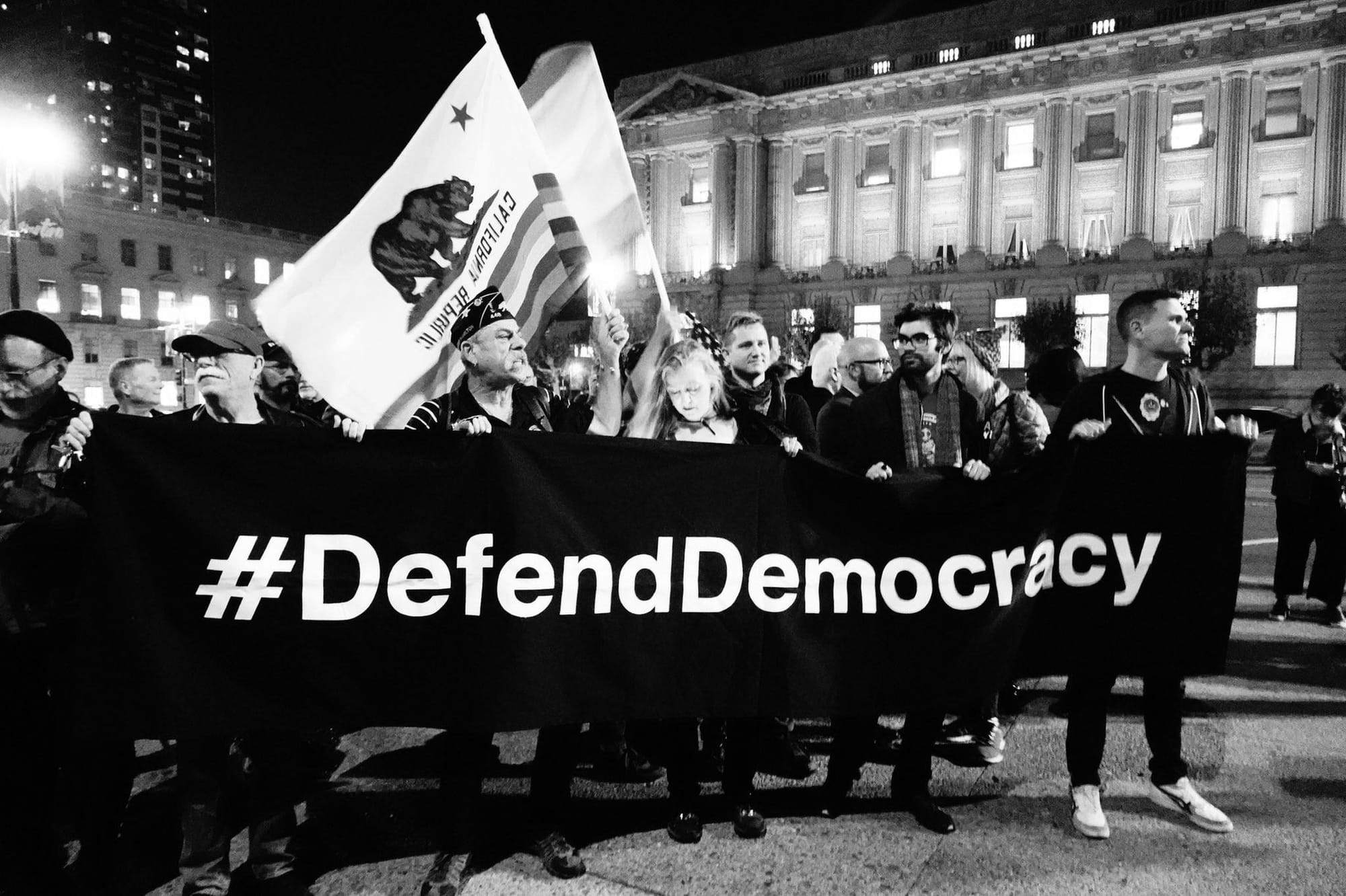
One of the misnomers about emotions is that they are personal, that all our feelings are about ourselves and other people close to us. What has been reassuringly clear the past ten years is that a lot of people care about a lot more: about democracy, justice, the rights and safety of the immigrants and refugees among us, the rights of nature and the protection of the land that precedes the existence of this country and for that matter this species we belong to. When I was young, I would not have thought I'd come to care about the rule of law the way I have as I've seen it violated and corrupted by this administration and the Supreme Court. Back then, I supported the idealistic civil disobedience that in conventional terms "broke the law," as in violated it, but for idealistic reasons. Now they are broken for sinister and selfish reasons by the people who are supposed to maintain and honor them. We care. That often becomes painful, even harrowing, and demoralizing, a word that in this context could also mean dispiritedness at the loss of morality at the heart of things.
I worried in 2016 that those who could would just withdraw, would assert that all that mattered to them was the personal, and God knows enough in this country encourages us to privatize our hearts and minds, to put narrow boundaries around care, to fail to recognize that we were never separate, that our own lives are shaped by what happens in the broader spheres that include politics and also nature. I was deeply relieved the week after Trump took office when people all over the country – including Congressman and civil rights hero John Lewis, may he rest in power – rushed to the airports to defend the people under attack by Trump's Muslim ban. It told me, along with the Women's March the day after his inauguration, that because people cared, they would show up, that they would take risks, that there would be a defense of what was and is under attack. There has been. A decade later, I think a lot of us feel weary. But not caring is not an option.
To my surprise, I'm in the Merriam-Webster dictionary, and thanks to a kind reader, I found out that I was a few days ago. I was happy to see the sentence in question again. I want to take a little left turn here to discuss a related matter.
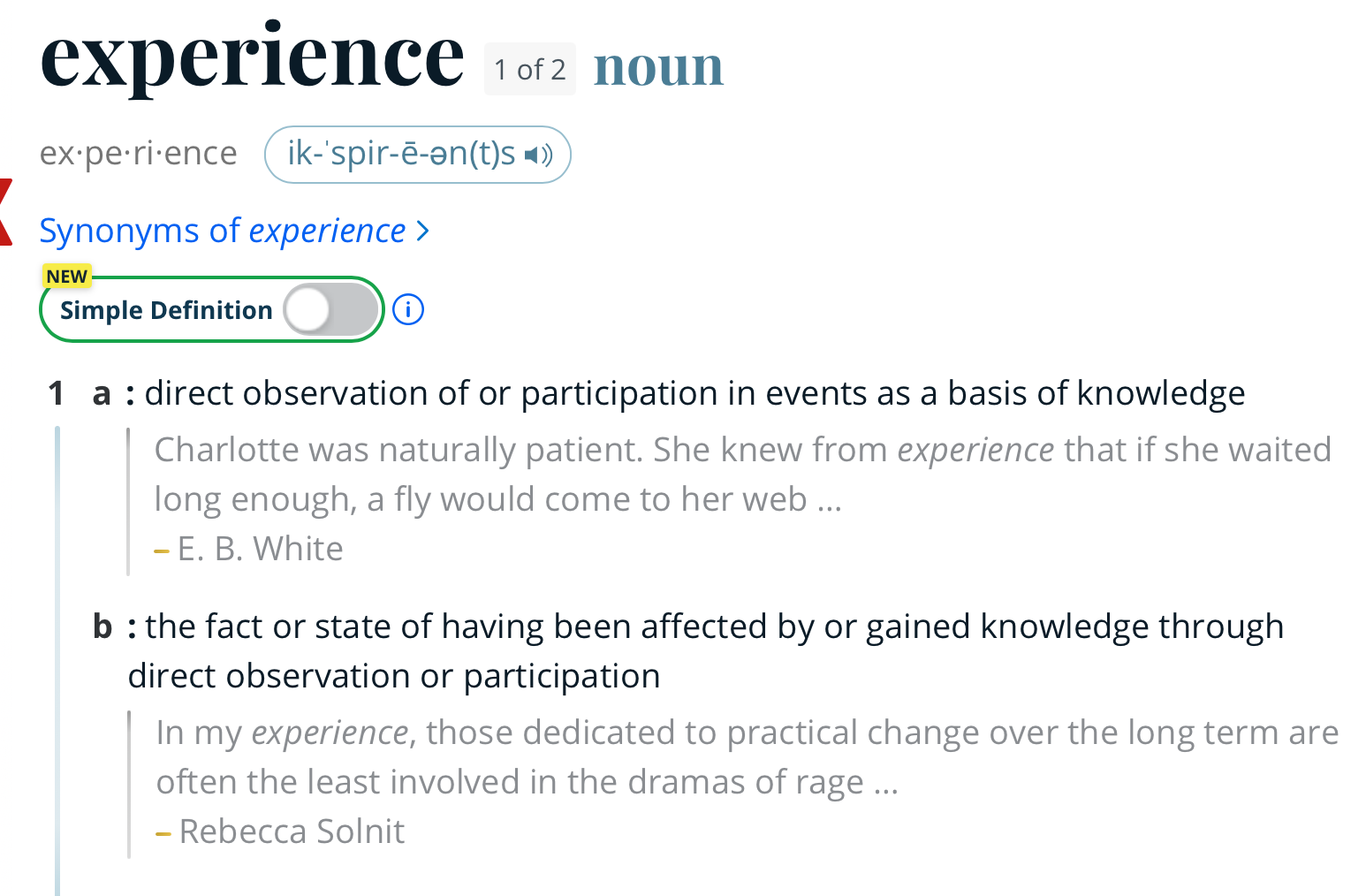
"In my experience, those dedicated to practical change over the long term are often the least involved in the dramas of rage...." I had a wonderful conversation with my friend Saket Soni of Resilience Force a few nights ago, about public displays of emotion around political events. There's a sense I get on social media that people think that their role is to display the appropriate emotions, and I wondered if that is because they see themselves as bystanders or at best witnesses (or just because that's all we can do on social media). I know that the online people who've rebuked me for not displaying the right emotions never asked me to do any practical thing, to come to their protest, benefit, vigil, postcard party or inquired what else I was doing, and they seemed to think rebuking strangers was their valuable contribution.
I've also seen people decide that the issue is in question, the fate of this nation or of this earth, is knowable, known, inevitable, and doomed, so we can go straight to mourning – I've wondered if that's what climate grief is. To me that's maybe like writing a eulogy for a drowning person instead of jumping in to pull them out of the water. Don't mourn those who aren't dead. But I'm sure that by grief people mean many different things. I don't think I feel grief, but I do have this discordant sense that the word duhkha points toward. And maybe at the heart of that is the way that, in this essay in part about word meanings, care means many things that are themselves very different in impact. Care as a publicly displayed feeling as in "I care" is not care as an action as in taking care of something or caregiving. And these crises call for our active care for the thirsty deer, the burning trees, for those beings and places going up in smoke, those beings breathing smoke. For righting the wobbly wheel, truing the axle, fixing the sky.
But there's another thing about that feeling-centric interpretation of how we respond to the world, which is the suggestion that we can only act if we feel good and that feeling bad is paralyzing. It can be, and I've tasted enough depression to know how it can be, but people can persevere in harsh circumstances and often have. (There's also a widespread "spiritual" notion that you can only act after you've perfected yourself, which since none of us will ever be perfect is a handy infinite delay if that's what you're looking for.) On the one hand feeling bad is not in itself solidarity with the actually oppressed; on the other hand, feeling bad is not necessarily an impediment to action. It's emotional weather, what you feel, not what you do.
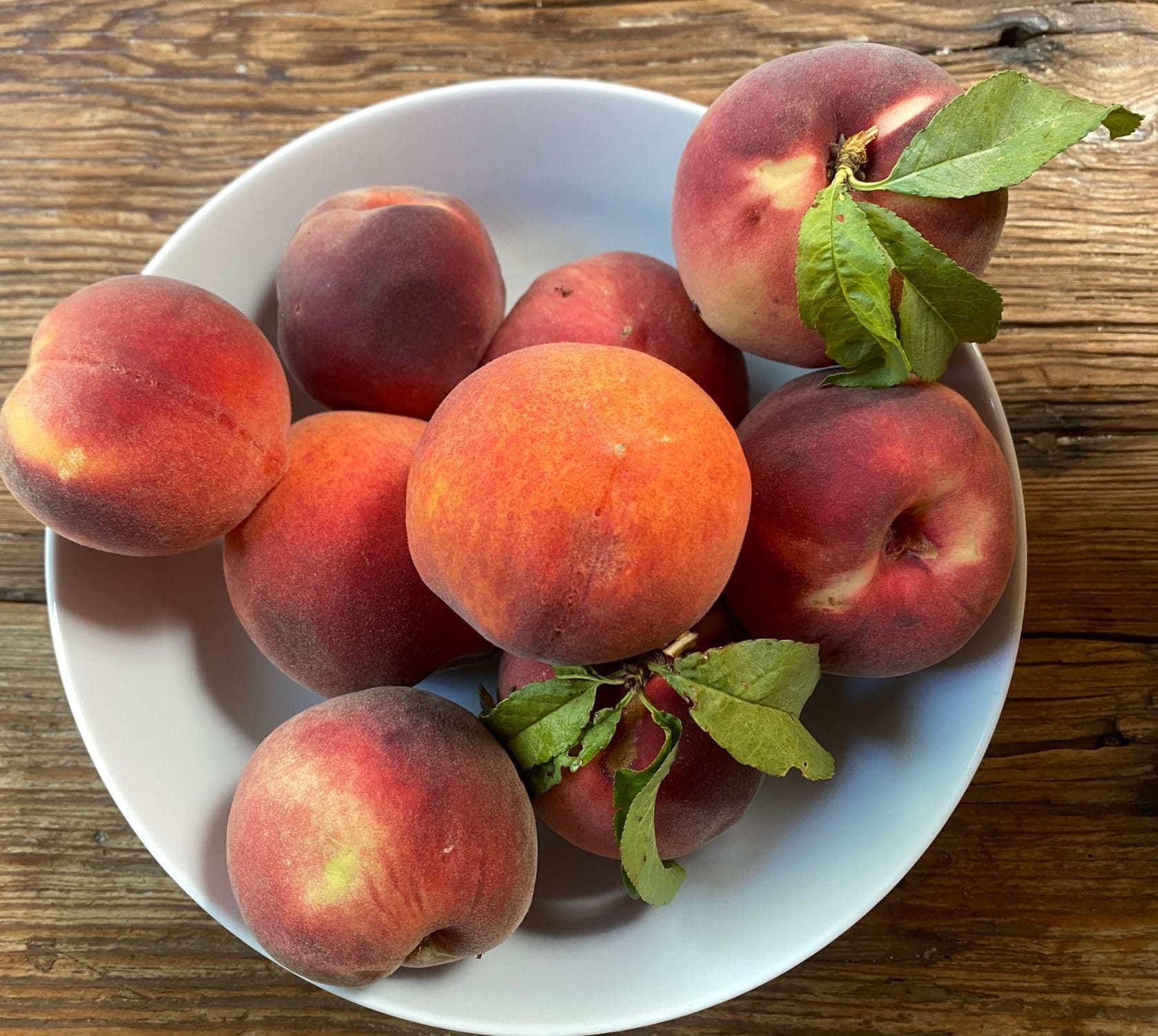
I want to end by encouraging sustainability as in not burning out as in pursuing whatever pleasure, respite, support, and joy is available even when wheels wobble and mountains burn. Have some peaches, which even this summer are sweetness incarnate.
[update: three hours since I hit send, rain is falling loudly, with wind, thunder, and lightning. Further update: twelve hours later, AQI is still at dangerous levels--about 250 where I am.]
p.s. More and more scientific work is demonstrating how harmful wildfire smoke is: "Scientists have found that people are being exposed to more toxins than previously known, and beyond damaging lungs, wildfire smoke may affect hearts, brains and other organs. One study in 2025 estimated that smoke could kill as many as 1.9 million people in the United States over three decades." https://www.nytimes.com/article/wildfire-smoke-health-effect.html
As for wildlife, "Our review demonstrates that smoke inhalation can lead to carbon monoxide poisoning, respiratory distress, neurological impairment, respiratory and cardiovascular disease, oxidative stress, and immunosuppression in wildlife, including terrestrial and aquatic species..." https://iopscience.iop.org/article/10.1088/1748-9326/ac30f6