It Makes You Sick: The Attacks on Health, Healthcare, and Care
When I was young I believed that the ideas I needed to grasp were complicated fact-dense new ones, and maybe back then I did need to take in more data. As I've gotten older, I've come to realize that a lot of the important things are not just facts to know the way you learned the multiplication table in fifth grade. They're fundamental truths that somehow need to sink into you to become part of your operating equipment, your values and premises, and they're often pretty simple and familiar. That's why they're often about seeing old things in a new way or having a well-known aphorism settle into in your bones or become your compass. That's why "love thy neighbor" is a profound thing to live by, a demanding instruction, but a trivial trio of words to toss out casually.
A nurse said something to me a few weeks ago that rearranged my reality a bit along those lines. He said that in some poor communities of color, there's a real question about whether a young person's asthma should be put on their medical chart even while they're being treated for it. That's because for a lot of poor kids, the military is a way out of that poverty, and the asthma diagnosis could shut it off to them – and of course more poor kids live in places where air pollution results in asthma. Although we were in New Mexico and he was from Connecticut, something about how he said it, the fierce passion, the moral rigor, made me see my own state, California, in a new light, or to feel viscerally what I had long known cerebrally.
I suddenly felt in a new way how the land and the people aren't separate, and how too many people on too many parts of that land are being sickened by breathing in industrial pollution, particularly in port cities like West Oakland and Long Beach, agricultural smog, dust, pesticides and other forms of pollution all through the Central, San Joaquin, and Imperial Valleys and the fossil fuel pollution wherever there's fracking, other forms of extraction, refineries, and heavy traffic, especially diesel-truck traffic, and in almost every part of the state at one point or another, wildfire smoke. That in damaging the land and contaminating the air we were harming the people. Of course I'd known that forever – since the dense smog of Los Angeles, since partly dispelled by good legislation and industrial decline – was a presence in my youth. But it hit me with a vividness that was new.
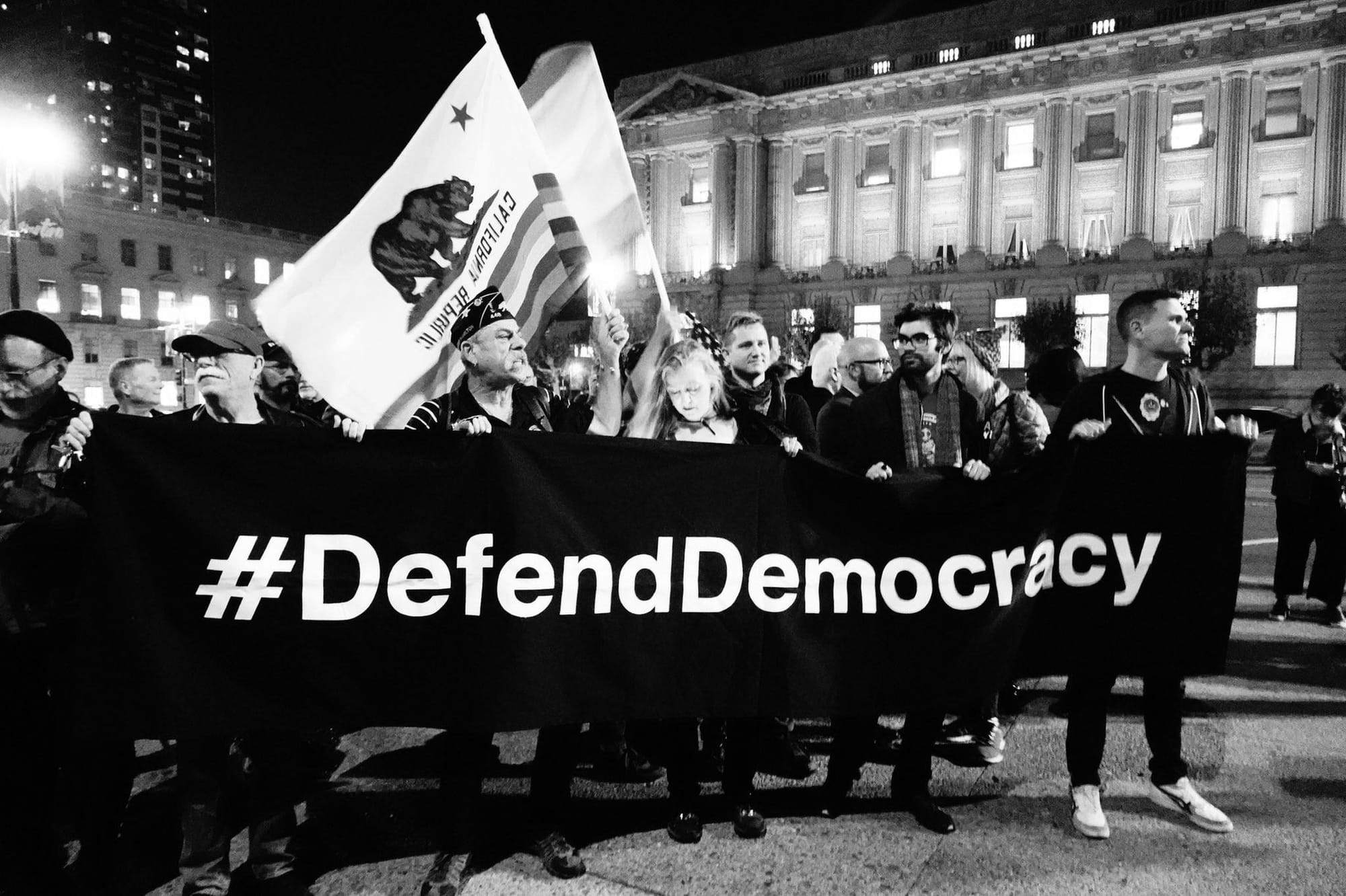
Speaking of California, San Francisco legend Cleve Jones has called for a week of action starting today to call attention to the healthcare crisis and commemorate the 45th anniversary of the beginning of the AIDS crisis. Called Seven Days in June, it takes a broad look at the crisis in human health here in the United States:
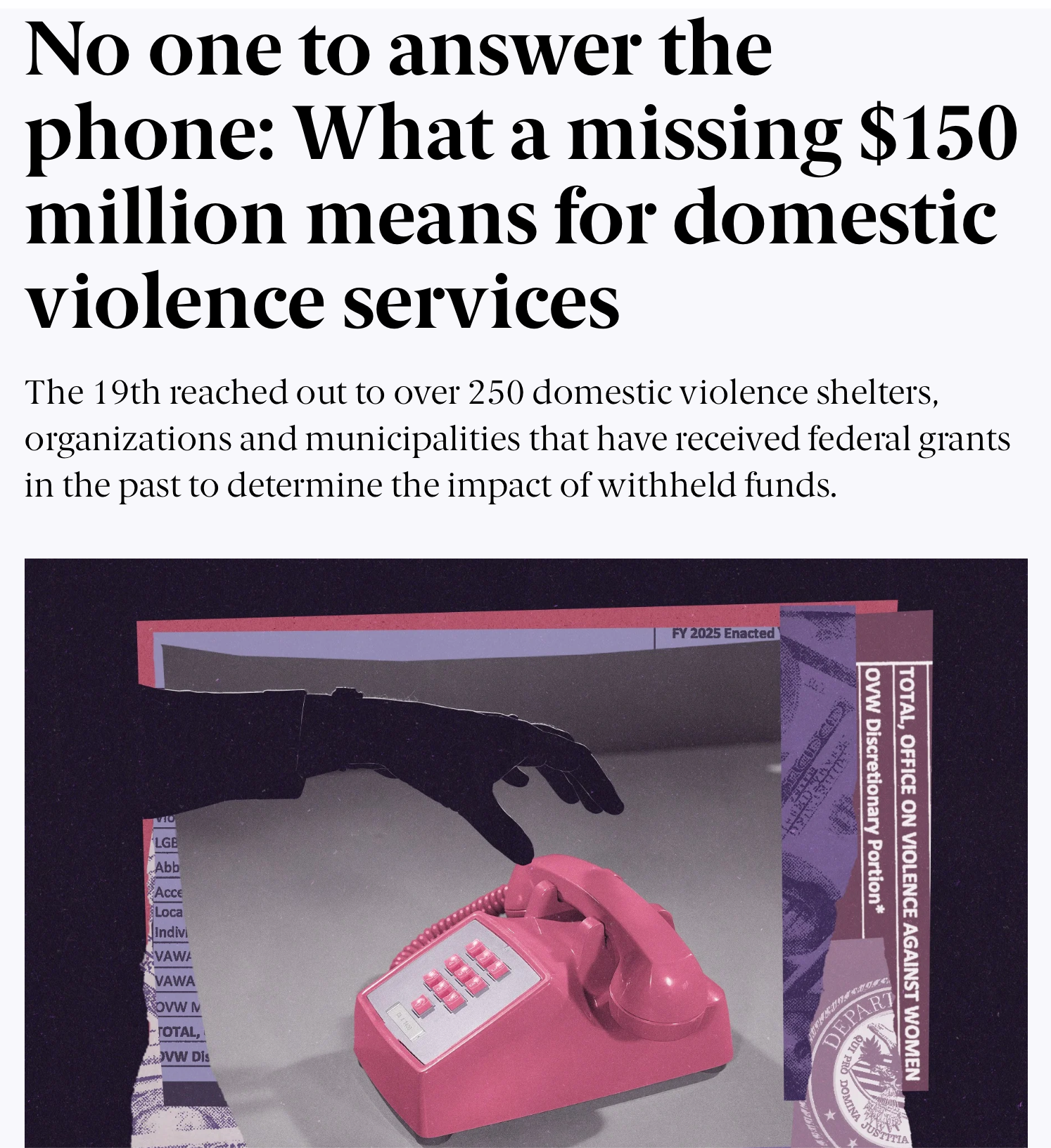
This is a critical moment for the health of Americans. Medical research, affordable access to healthcare and treatment, and strong public health systems are fundamental to our quality of life, economic stability, workforce strength and national security. Health is not a niche issue. It touches every person, family, employer, community and local economy. When health systems are underfunded or destabilized, people suffer, families are driven into bankruptcy, communities lose services and the nation becomes less prepared for the next crisis. Gutting global health infrastructure exacerbates political instability and threatens U.S. security interests. This weakens our nation’s global influence and does nothing to reduce the federal deficit. Budget cuts to Medicaid, and the Centers for Disease Control and National Institutes of Health, are threats to the health of all Americans. Many cuts passed by Congress last year will not go into effect until after this fall’s election, when they will cause severe local economic damage, the loss of over a million jobs, billions in reduced tax revenues and lost state GDP.
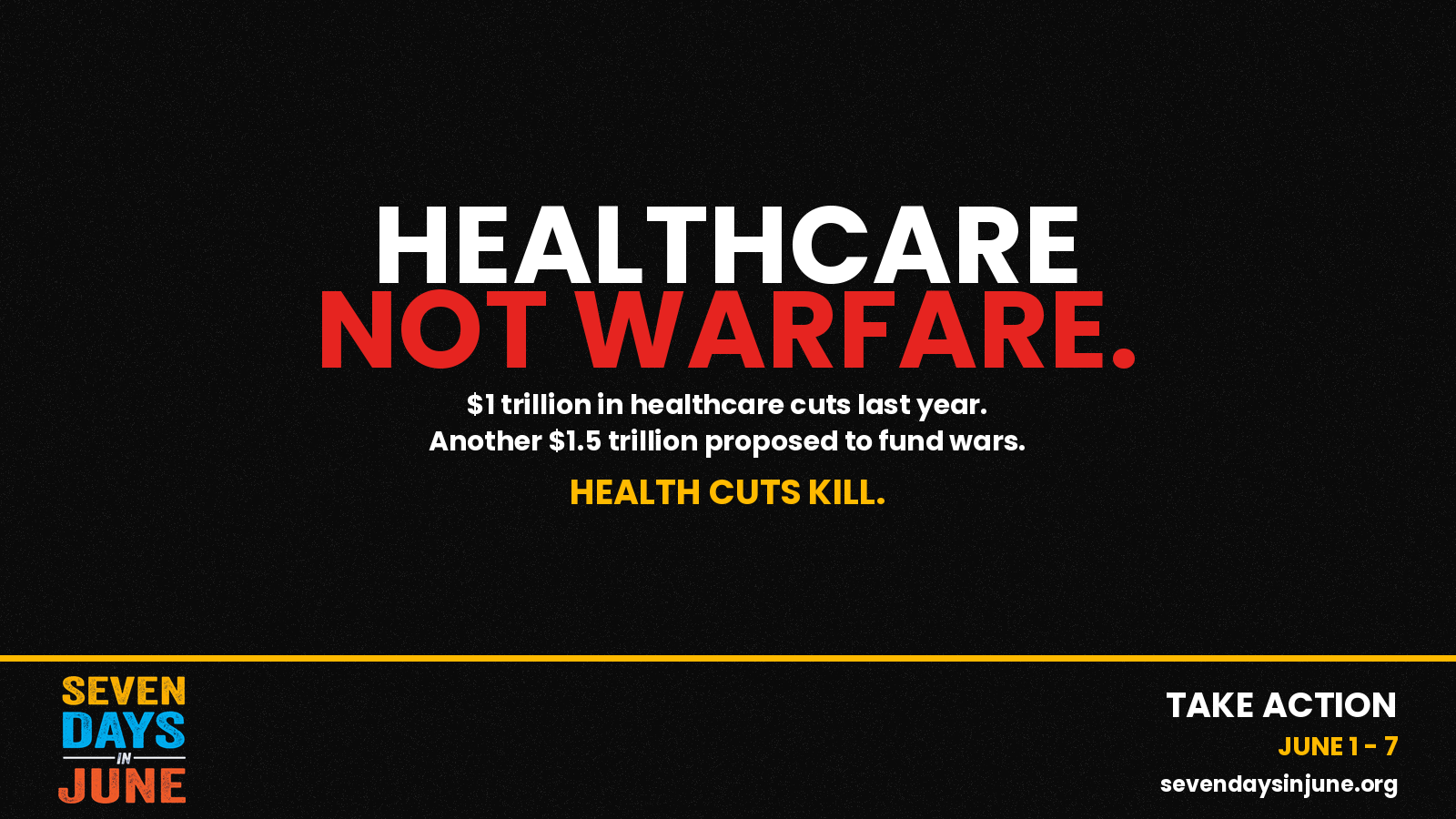
In other words, there's a looming healthcare crisis domestically (and the destruction of USAID has resulted in hundreds of thousands of deaths in other parts of the world and is expected, if not somehow countered, to result in millions). And when healthcare is under attack, so is our health, and when health declines everything declines. The Trump Administration is disinvesting in the people of this country and this world. That's typical of their shortsighted self-centered policies, which are pretty much the same thing as their inability to recognize the value of anything whose positive impact is slow, indirect, immeasurable, etc. It's a smash-and-grab regime that doesn't understand even the wealth its corrupt members are amassing is not separate from the systems that provide all the stability, workforce, laws, resources, customers, etc. that make an enterprise profitable or at least not bankrupt.
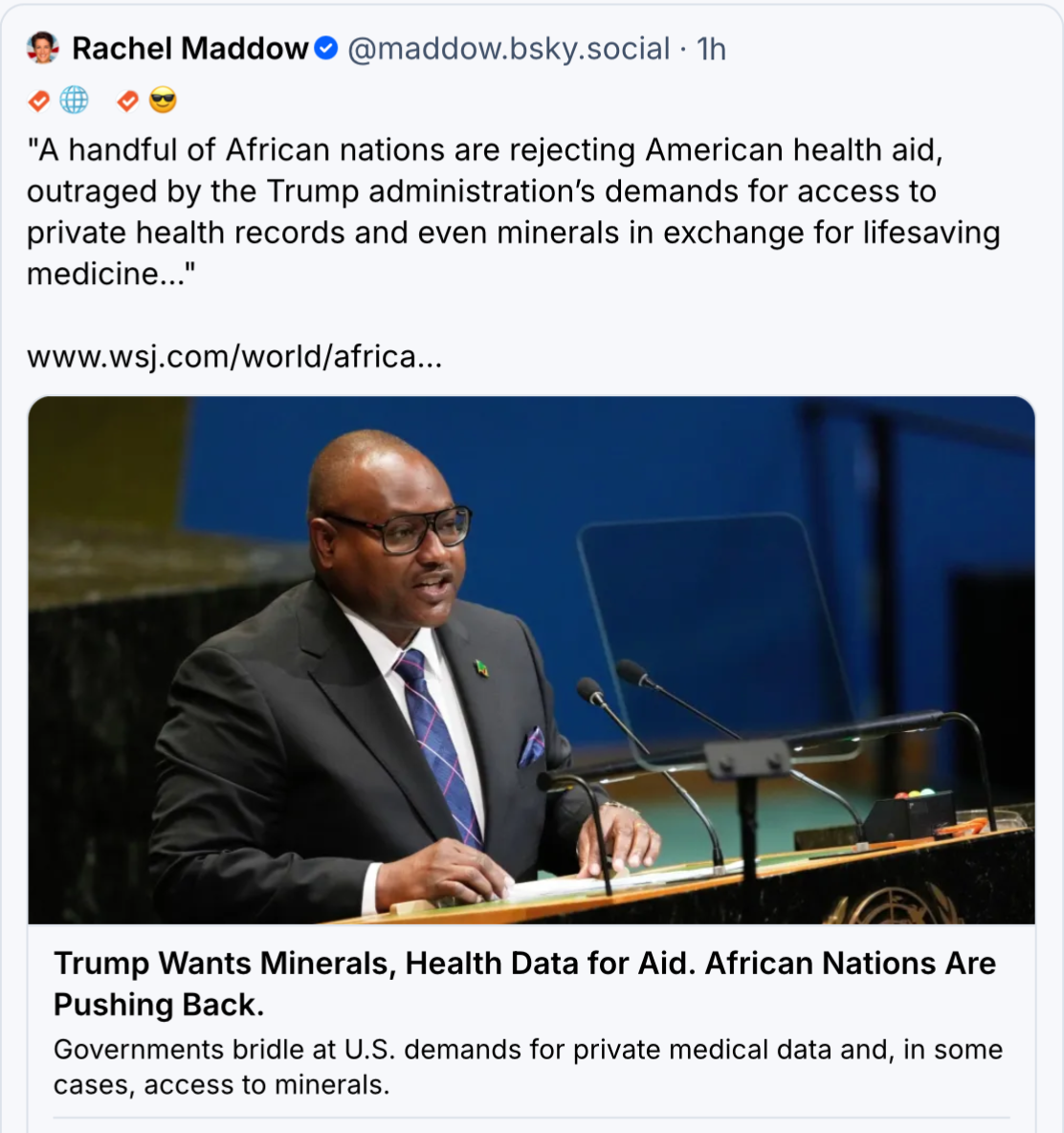
It's a regime that believes in isolation, of the races, the genders, the classes, the ideologies, of the US from other nations, and that denies the existence and necessity of the underlying systems that connect as they stabilize. Of course this is an old story about conservatives, for whom it's convenient to deny that things are connected, because of poverty and illness are the result of systems, we all have responsibility: more fun to blame it on the individual (as RFK Jr. is doing with his MAHA attack on systemic public health in favor of quack individual strategies like eating too much protein and doing pushups badly in public). To assert individuals are fully responsible for their own physical and economic health is to deny collective responsibility and too often to deny major health causes such as environmental and social factors. Conservatives all but deny there is an environment, because they'd rather see the nonhuman world as a collection of commodities that can be sold, altered, poisoned, destroyed than as a delicately orchestrated system in which each part contributes to the whole.
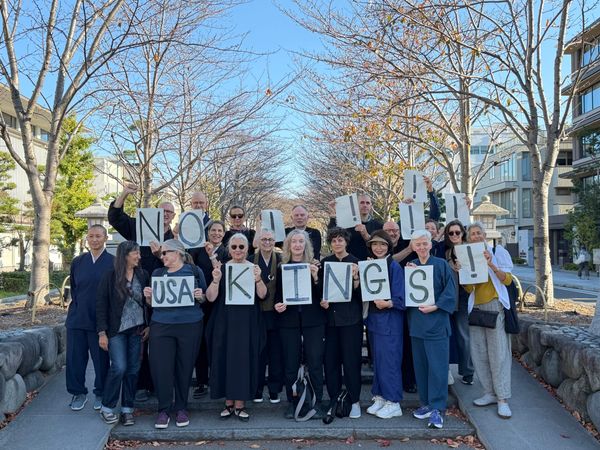
That's why I've occasionally argued that the real divide in this country and beyond is better described as connectors and disconnectors, the relational and the isolated, than left and right. As Martin Luther King Jr. famously (and repeatedly; he knew a good phrase when he had one) said, “We are caught in an inescapable network of mutuality, tied in a single garment of destiny. Whatever affects one directly, affects all indirectly.” But according to the right, there is no network ,no mutuality, and we're each wearing our own damn garments and making our own destiny and if your destiny is poverty, illness, starvation, that's on you.
Which is why climate change is so offensive to them: the foundational truth of climate change is that everything is connected to everything else, and that the fossil fuel we burn emits carbon dioxide that thickens the insulating blanket in the upper atmosphere, that not just causes temperatures to rise but the climate to change and the delicately orchestrated system to start to fall into cacophony and chaos. That saddles us with responsibility to act in way that are not destructive of the climate, and makes it clear that fossil fuel is something we should not burn, which cuts into the single industry that has most steadily backed the right. So they object to even acknowledging the reality of human-caused climate change for both ideological and practical reasons. But climate chaos is a health issue, from the spread of tropical diseases, to hunger, even famine, from crop failure, to death and displacement in wildfire, flood, and hurricane, to excess mortality from extreme heat.
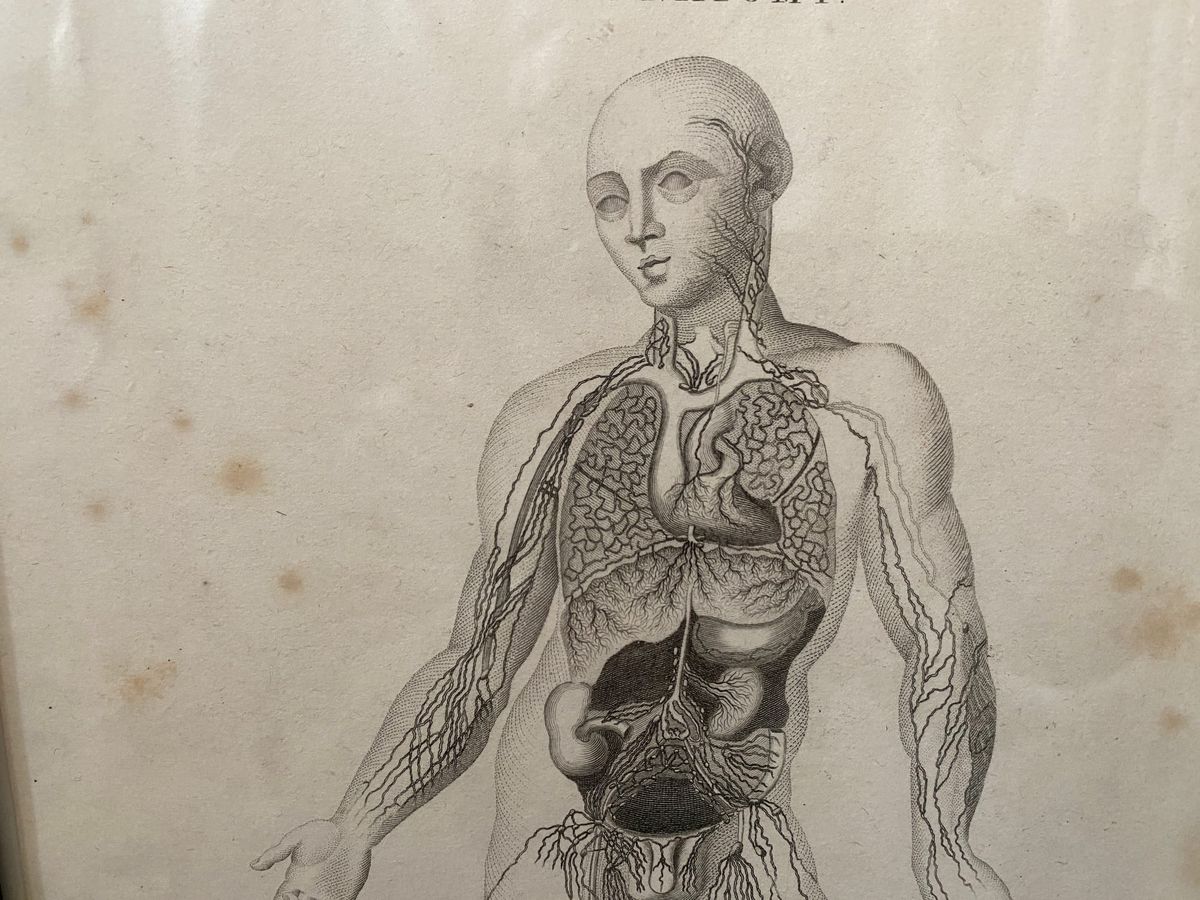
The World Health Organization's credo is "Health is a state of complete physical, mental and social well-being and not merely the absence of disease or infirmity. The enjoyment of the highest attainable standard of health is one of the fundamental rights of every human being..." Even beyond the human, we use health as a way to describe an ecosystem, an economy, a society. Or their opposite. Right now the United States is sick in every way possible and the Trump Administration is eagerly, even frantically making it sicker (or maybe just injuring it as much as possible – maybe getting beaten up and mugged is a better metaphor than getting ill for what's happening to us). Things are falling apart. Because it's a huge system, they're falling apart slowly, but the corruption of the administrative system and the attack on almost everything – the economy, democracy, human rights, social services, education, environmental protection, public health,....
Another moment of sudden awakening to systemic impact came years ago when I heard someone on KPFA talk about the connections between racism, stress, and diseases among Black Americans such as hypertension and type two diabetes – in other words, racism can literally make you sick, even terminally ill, in this way. (Here's some studies validating that reality, in case it sounds like a stretch to you, including one that notes "Psychological stress mobilizes biological responses implicated in type 2 diabetes mellitus (T2DM), including the release of glucose and lipids into the circulation, inflammatory cytokine expression and increased blood pressure.")
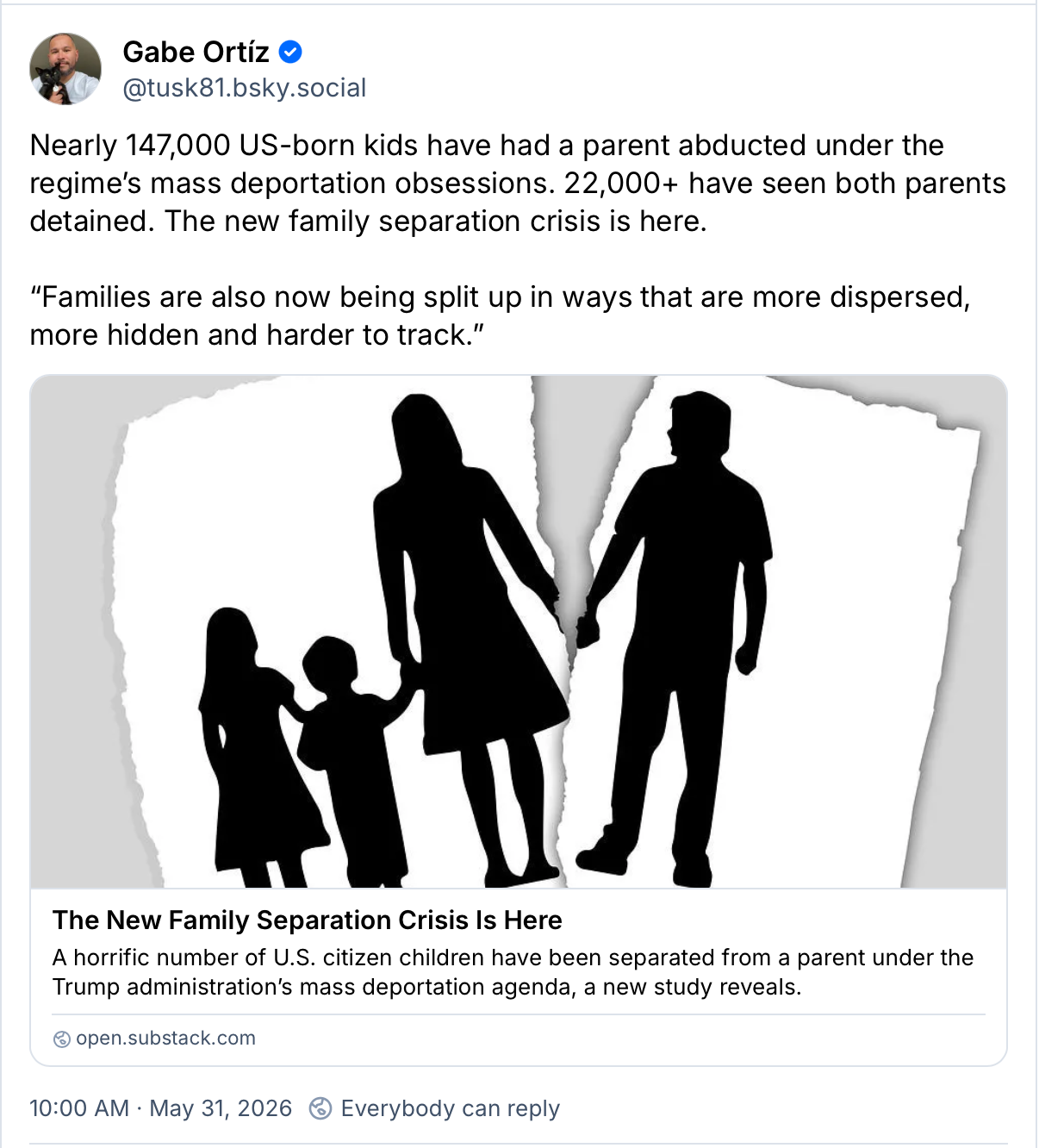
The health of any individual is inseparable from the health of the society in which they live, and I think sometimes of what the consequences will be of ICE terrorizing large swathes of the population, of the persecution of trans and queer people, chronic violence against women, and racism, as well as the toll of poverty and the impact on everyone of living in a heavily armed and too-violent society. (When I go to places that are much safer from violence such as Iceland or Japan, I notice that something in me shifts, which is a reminder that most of my time out in the world in my own country something in me has to be on alert, wary, cognizant of the possibility for harm – I've written about the impact on me of what felt like constant street harassment when I was a very young woman.)
The US is rich in material goods, badly distributed, so for example, San Francisco has about three times as many unoccupied homes as it does homeless people – meaning that there is no actual housing shortage in this context, just the kind of distribution problem capitalism specializes in. So rich in material goods, so poor in other ways, and that seems to be the root of our mental and physical health crises. I have often thought when I roamed the streets and saw the unhoused and the mentally distressed that this country is good at breaking people.
Seven Days in June has called for "elevating health as a national priority." That means a lot in a very direct, practical, and technical sense: access to healthcare for all, including to mental health, prescription drugs, and state of the art treatment, as well as ongoing medical research of exactly the kind under attack by this administration, the research that once made, well, America great until this slash-and-burn policy went after all kinds of science. But beyond that it has to mean the security, the peace and safety, the economic justice, and the healthy environment that means not just that each of us gets treated when we get ill, but that we build a society in which a lot of that illness is less common. (I hesitate to say healthy food, because RFK-style quack theories of what constitutes a healthy diet are obscuring sane guidelines.)
To live in a healthy society would be to live in a society of abundance, as my climate collaborator Thelma Young Lutunatabua and I have often discussed. Not material excess, but an abundance of security and peace, personal safety, confidence about the future, and an abundance of time to do those things essential to mental and physical health and social connectedness, whether it's planting a food garden or tending friendships or spending time in nature or in spiritual or creative activity (or pure glorious idleness with no virtue attached).
To say that is a reminder of where we are, in a society of scarcity that generates conflict, of poverty of time and hope and connection. Not absolute scarcity, but distorted distribution that results in radical economic inequality, waste, excess, desperation and precarity, and all the chronic stress that comes from those on the losing end of the arrangement (but as Elon Musk and Donald Trump demonstrate, there's a lot of mental health issues at the extremes of the supposedly winning end).
Above all, I hear Cleve's call as a reminder that it could all be different, as in better, even as some of it is getting worse. The current situation is not permanent, but how it changes and when and toward what end is in our hands. Speaking of which, tomorrow is election day; get your ballots in.
p.s. A lot of science writers and scientists are up in arms about the new attack on science. Don Moynihan writes about it in his newsletter thus:
The White House proposed new policies governing the federal funding of American science. You’ve already heard about the funding cuts, de facto impoundments of funds, funding freezes to disfavored universities, and cancelation of grants that include the long list of the Trump’s forbidden words.
So how much worse can the new policy be? Scientists are using apocalyptic terms, like “the end of American science as we know it.”
I think the level of alarm is appropriate, but I also want to place it into a broader
. Instinctively, scientists know this policy is not a stand-alone, but the ratcheting of the vice-grips of politicization. Trump has assembled five distinct tactics of politicization that are now starting to work in tandem with one another.
As Trump’s politicization tactics operate together, they begin to generate more interactive effects, reinforcing one another. The creep of politicization seeps into every office and decision, choking any views other than those of Trump and his army of loyalists.
The bottom line is that Russ Vought, the Director of the Office of Management and Budget, wants to move scientific decisions away from the scientists and into the hands of political appointees. I don’t mean the big picture, strategic decisions of American science, which should be political, but the micro-decisions about what is and is not good research.
Under the new policy, political appointees determine which grants should be funded, and can cancel them whenever they want. Grants must meet partisan litmus tests like “demonstrably advance the President’s policy priorities” but political identity can also be used in punitive ways: a scientist’s ties to disfavored groups can be used as a basis for cancelling grants....